Ginza, Tokyo
Tempura Kondo
Fumio Kondo fries vegetables into the main event at one of Japan's most disciplined tempura counters.
FlightLogic expert score: 9.2/10 · ££££ · Japanese , Tempura
 ★★ Michelin Stars
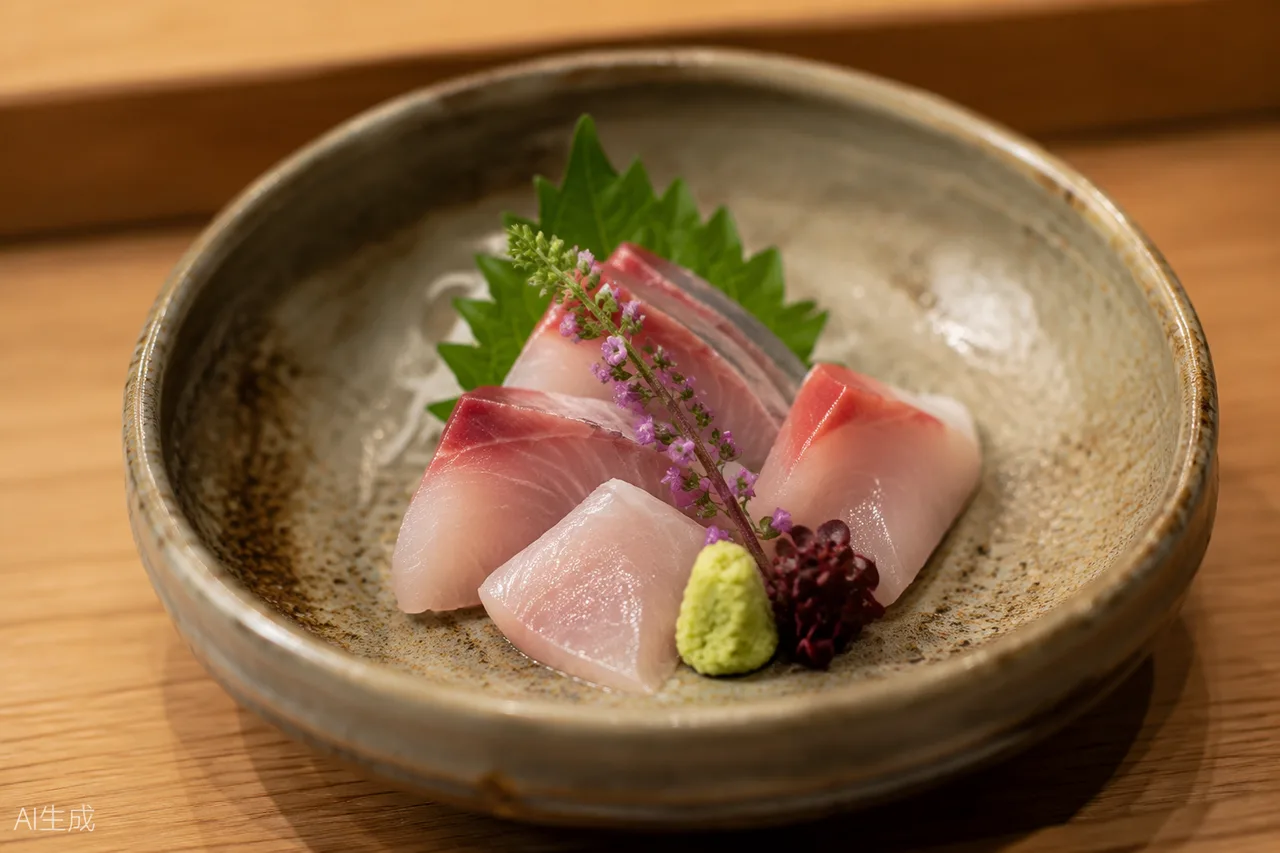
Illustration: FlightLogic AI-generated cuisine impression — not a photograph of the restaurant.
Quick answer
Is Tempura Kondo worth visiting? FlightLogic assigns an expert score of 9.2/10 based on editorial research. The 4.7/5 star figure is an editorial composite for guide comparison — not a verified consumer aggregate. It has 2 Michelin stars. Best for special occasions, food enthusiasts, business dinner.
About Tempura Kondo
Most tempura counters treat vegetables as the warm-up before shrimp and anago close the show. Kondo inverts that hierarchy. Corn kernels bound loosely in batter shatter into shards; a single shiso leaf fries in under ten seconds so the underside stays raw-green against a lace-crisp face; sweet potato comes out dense and steaming, cut thick enough to eat with a spoon. The oil — a sesame-heavy blend Kondo maintains at a noticeably lower temperature than the Ginza standard — is the quiet engine behind all of it, built to coax moisture out rather than seal it in. Seafood still appears, and it is precise, but this is a counter that has actually rethought what tempura is for.
Menu highlights
Published reviews
Sorted by date (newest first). We do not reorder by rating or “helpfulness”. Review integrity policy
No consumer reviews published yet for Tempura Kondo.
Submit a verified dining review
Consumer reviews require on-site geolocation verification or transaction proof before publication. See our review integrity policy.
How far in advance do I need to book Tempura Kondo?
Reservations typically need to be made six to eight weeks ahead, and longer for Friday or Saturday seatings. The counter holds fewer than a dozen seats per service, so availability moves fast once a month's calendar opens.
Is Tempura Kondo really more about vegetables than seafood?
Yes — the omakase course is built around a vegetable-forward sequence, with items like corn, shiso, and sweet potato given the same precision and billing usually reserved for shrimp or anago, though seafood courses are still included.
More in Tokyo
 ★★ Michelin
Akasaka Kikunoi
Japanese · Kaiseki
Expert 9.2/10
Kyoto kaiseki grammar transplanted to a hushed Akasaka townhouse, two Michelin Stars intact.
 ★★★ Michelin
Azabu Kadowaki
Japanese · Kaiseki
Expert 9.6/10
An eight-seat counter where Toshiya Kadowaki has held three stars since 2020 on precision alone.