Shinbashi, Tokyo
Sushi Kanesaka
A twelve-seat Shinbashi counter where Shinji Kanesaka ages his own fish and lets rice temperature do the rest.
FlightLogic expert score: 9.2/10 · ££££ · Japanese , Sushi
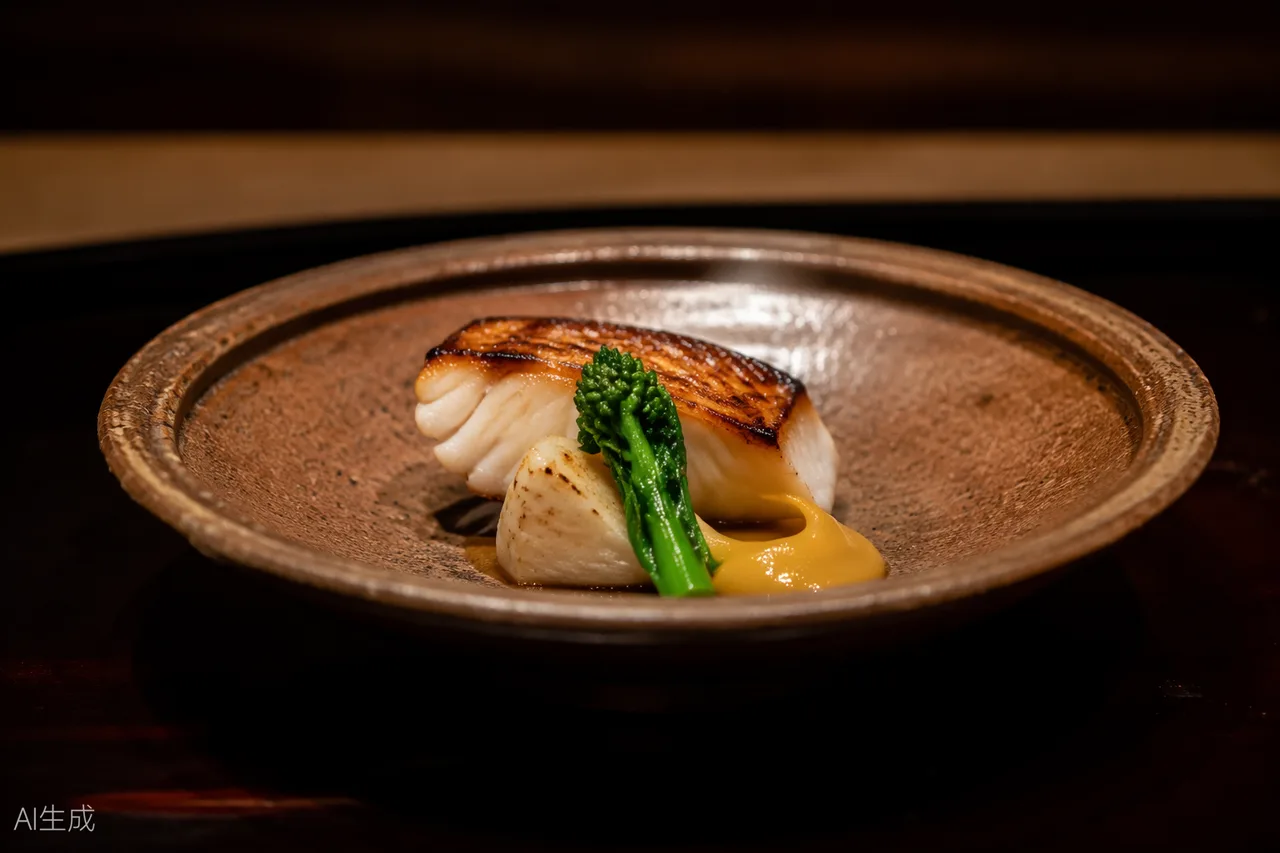 ★★ Michelin Stars
 Illustration: FlightLogic AI-generated cuisine impression — not a photograph of the restaurant.
Quick answer
Is Sushi Kanesaka worth visiting? FlightLogic assigns an expert score of 9.2/10 based on editorial research. The 4.8/5 star figure is an editorial composite for guide comparison — not a verified consumer aggregate. It has 2 Michelin stars. Best for special occasions, food enthusiasts, business dinner.
About Sushi Kanesaka
Kanesaka doesn't chase novelty. The rice runs slightly warmer and more vinegar-forward than most contemporaries, built to carry fish that's often aged three to five days past what you'd see elsewhere — a house signature since the original Ginza 8-chome location. Shinji Kanesaka trained under Yamamoto at Kyubey before opening his own counter, and the lineage shows in the tsuke-dashi technique: soy-marinated maguro, kelp-cured kinmedai, nothing left raw that benefits from a hand. Seating is twelve stools around a single hinoki counter, no tables, no private rooms — the point is watching the work.
Menu highlights
Editorial rating breakdown
Published reviews
Sorted by date (newest first). We do not reorder by rating or “helpfulness”. Review integrity policy
- 5.0Editorial sample
Went for the lunch course to save some yen and it wasn't a compromise — same kohada, same aged maguro, just twelve fewer minutes of chatter with Kanesaka-san himself.
- 5.0Editorial sample
The rice temperature alone separates this from every other counter I've eaten at in Tokyo — it's noticeably warmer than Michelin-adjacent competitors and it changes how the fat on the otoro reads.
Response from Sushi Kanesaka
Thank you for noticing the rice — it's where we spend the most training time with new chefs.
Submit a verified dining review
Consumer reviews require on-site geolocation verification or transaction proof before publication. See our review integrity policy.
How far in advance do I need to book Sushi Kanesaka?
Reservations open two months out and the twelve-seat counter fills within days, especially for weekend dinner seatings. Hotel concierges can sometimes secure last-minute cancellations, but plan on booking the day the window opens if you want a specific date.
Does the tsuke-dashi style mean less raw fish than a typical sushi-ya?
Some pieces arrive marinated, cured, or lightly seared rather than served raw, but it's not a departure from Edomae tradition — it's closer to its origin. Expect roughly a third of the nigiri sequence to have been treated before it reaches the counter.
More in Tokyo
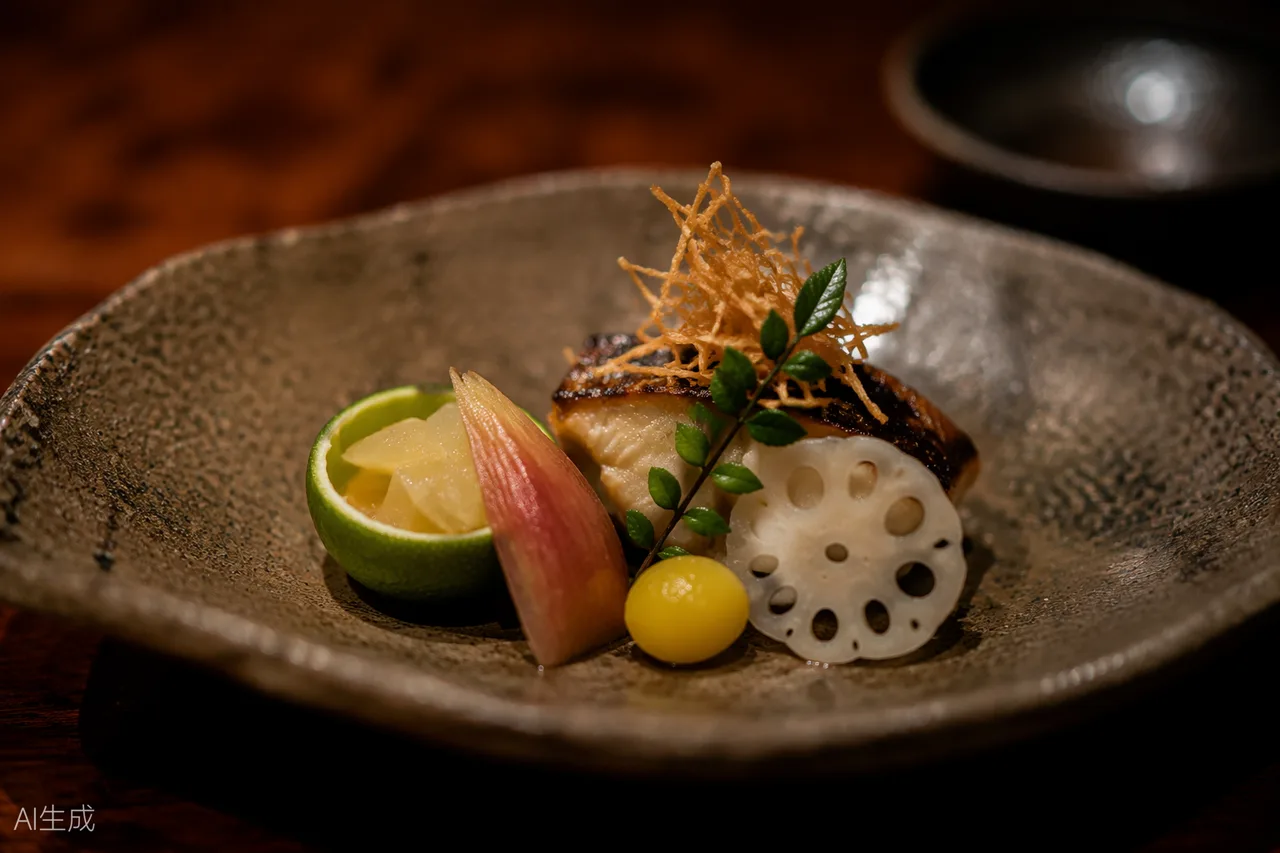 ★★ Michelin
Akasaka Kikunoi
Japanese · Kaiseki
Expert 9.2/10
Kyoto kaiseki grammar transplanted to a hushed Akasaka townhouse, two Michelin Stars intact.
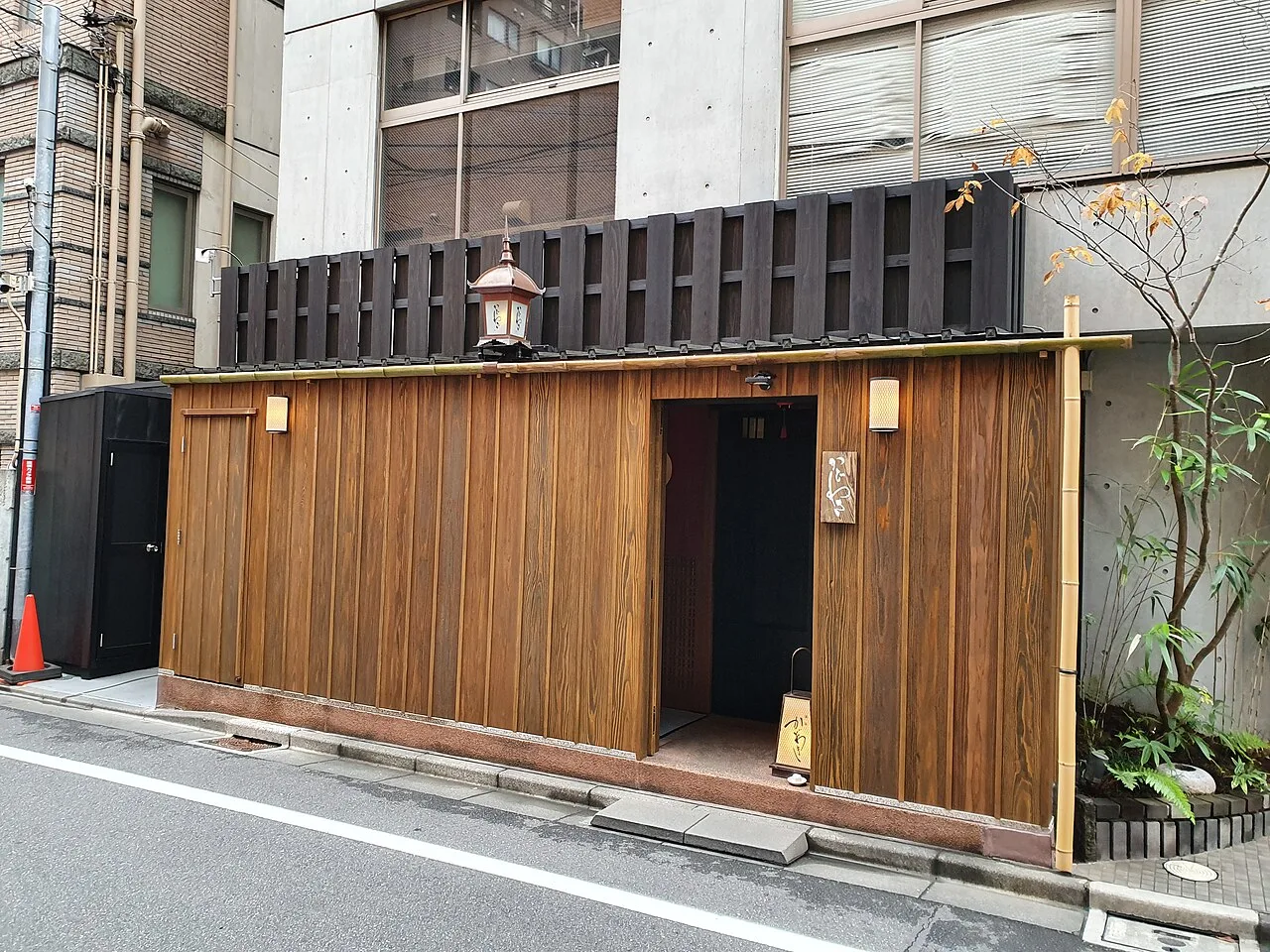 ★★★ Michelin
Azabu Kadowaki
Japanese · Kaiseki
Expert 9.6/10
An eight-seat counter where Toshiya Kadowaki has held three stars since 2020 on precision alone.