Hibiya, Tokyo
Japanese Cuisine RyuGin
Seiji Yamamoto's temperature-obsessed kaiseki counter that rewired what modern Japanese cooking is allowed to be.
FlightLogic expert score: 9.7/10 · ££££ · Japanese , Kaiseki
 ★★★ Michelin Stars
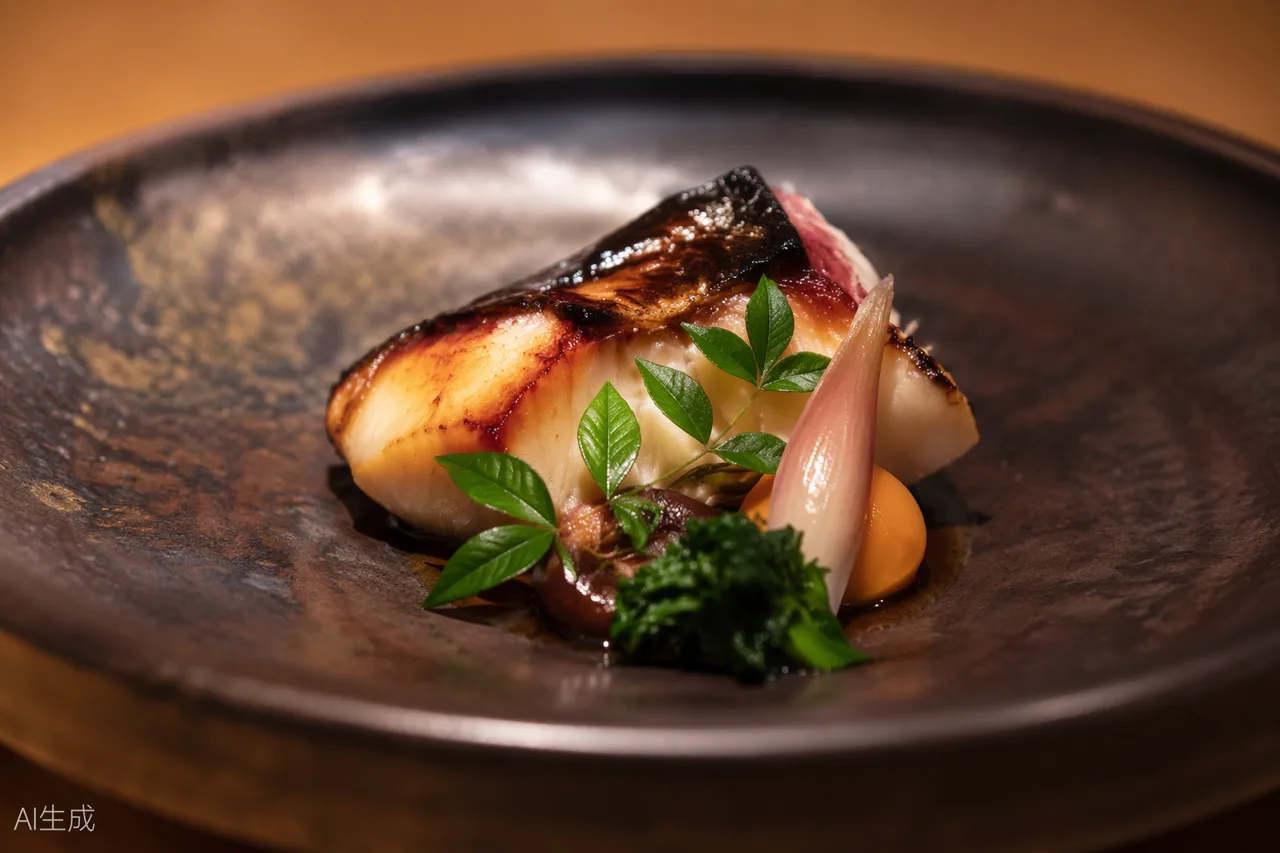
 Illustration: FlightLogic AI-generated cuisine impression — not a photograph of the restaurant.
Quick answer
Is Japanese Cuisine RyuGin worth visiting? FlightLogic assigns an expert score of 9.7/10 based on editorial research. The 4.9/5 star figure is an editorial composite for guide comparison — not a verified consumer aggregate. It has 3 Michelin stars. Best for special occasions, food enthusiasts, business dinner.
About Japanese Cuisine RyuGin
RyuGin operates on a principle most kaiseki kitchens don't bother to articulate: every element on the plate should exist at the exact temperature and texture that makes its flavour legible, and getting there sometimes means abandoning tradition entirely. Chef Seiji Yamamoto's liquid-nitrogen-frozen grated daikon, his slow-poached eggs held at precise water-bath temperatures, and his charcoal-grilled fish finished tableside are not gimmicks — they're solutions to problems classical technique left unsolved. The result is a tasting menu that reads as kaiseki in its structure and seasonal logic but tastes like nothing else in Hibiya. Three MICHELIN Stars since 2012, and the room still runs on the same obsessive recalibration it did a decade ago.
Menu highlights
Editorial rating breakdown
Published reviews
Sorted by date (newest first). We do not reorder by rating or “helpfulness”. Review integrity policy
- 5.0Editorial sample
The frozen daikon course sounds like a party trick until it hits your tongue and the grate texture just dissolves into pure radish heat. Nothing else in Tokyo tastes like this kitchen.
Response from Japanese Cuisine RyuGin
Thank you, Daniel. The daikon course changes slightly through the season as the root's water content shifts — glad it landed the way we intended.
- 5.0Editorial sample
Booked eight months out and it was worth every week of waiting. The charcoal amadai course alone justifies the reputation — crisp scales, custardy flesh, no notes.
Submit a verified dining review
Consumer reviews require on-site geolocation verification or transaction proof before publication. See our review integrity policy.
How far in advance do I need to book RyuGin?
Reserve six to nine months ahead for weekend seatings; weekday tables can sometimes open up two to three months out. Reservations are released in staggered windows, so contact the restaurant directly rather than relying on general booking platforms.
Is the tasting menu structure fixed or does it change seasonally?
The course count stays roughly consistent, but individual dishes shift weekly based on market availability — expect different fish, vegetables, and garnishes depending on when you dine, even within the same month.
More in Tokyo
 ★★ Michelin
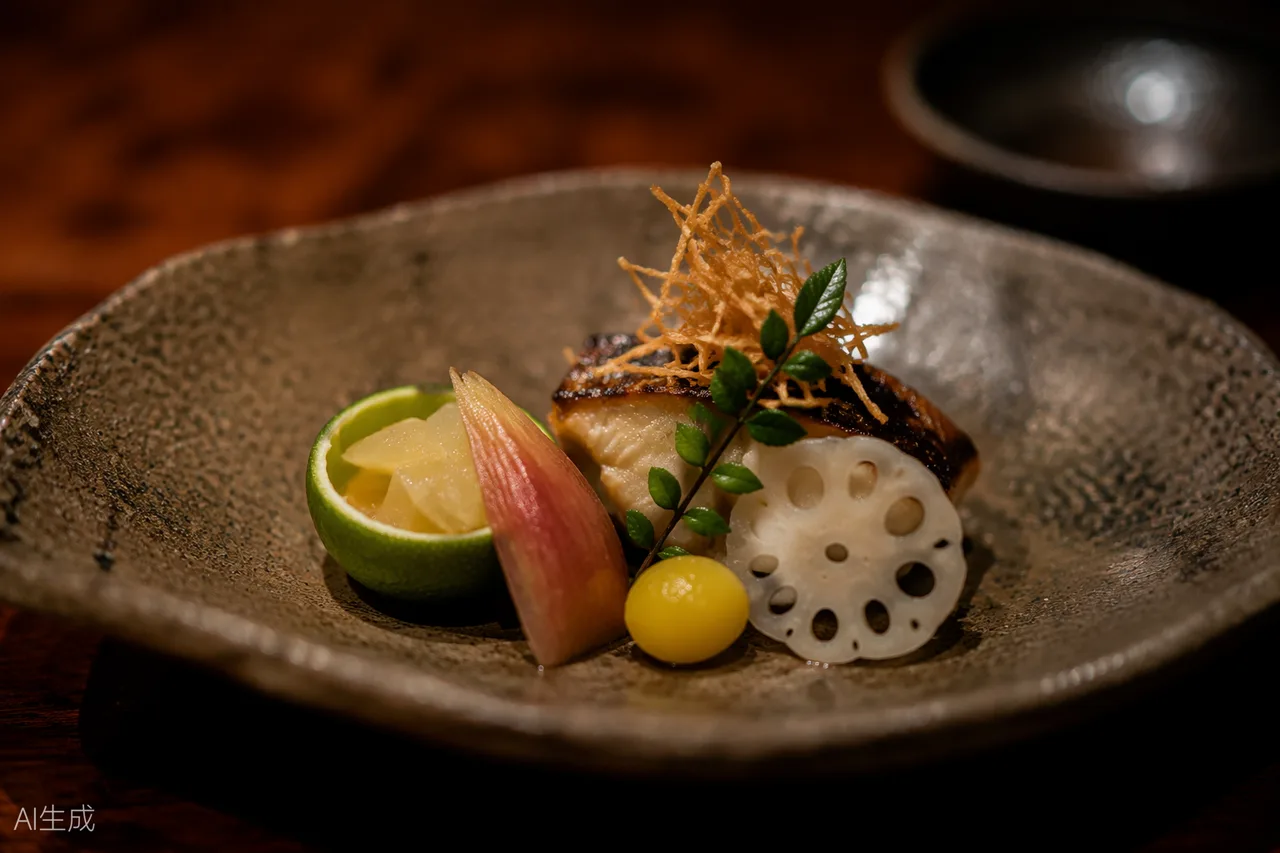
Akasaka Kikunoi
Japanese · Kaiseki
Expert 9.2/10
Kyoto kaiseki grammar transplanted to a hushed Akasaka townhouse, two Michelin Stars intact.
 ★★★ Michelin
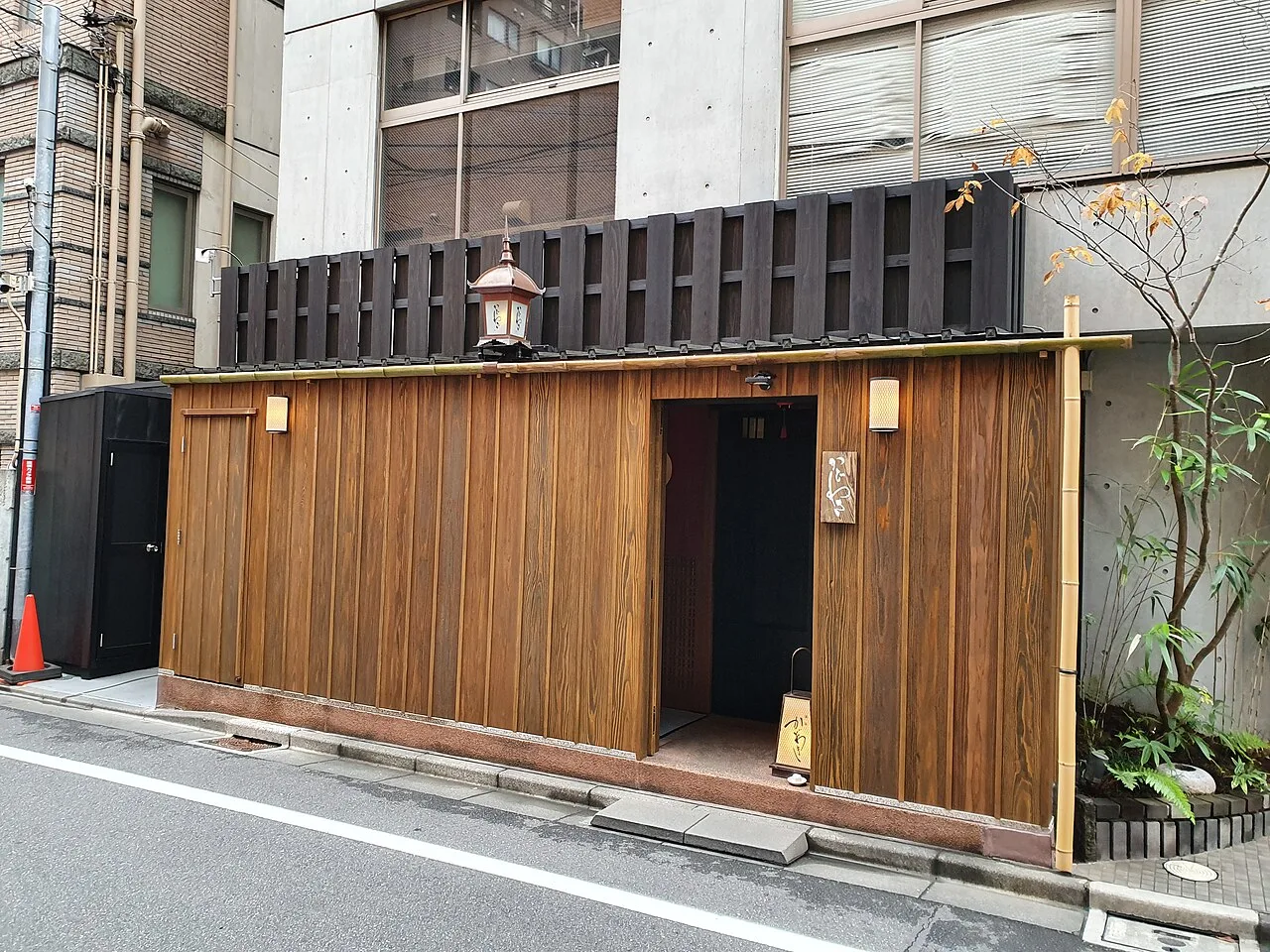
Azabu Kadowaki
Japanese · Kaiseki
Expert 9.6/10
An eight-seat counter where Toshiya Kadowaki has held three stars since 2020 on precision alone.