What Basic Economy Actually Restricts
Basic economy is the airlines' lowest fare bucket, deliberately stripped of the flexibility that comes standard on regular economy tickets. The most common restrictions are no advance seat selection, no changes or cancellations even for a fee, last boarding group, and no upgrades or elite-status benefits.
Basic economy is the airlines' lowest fare bucket, deliberately stripped of the flexibility that comes standard on regular economy tickets. The most common restrictions are no advance seat selection, no changes or cancellations even for a fee, last boarding group, and no upgrades or elite-status benefits.
On US carriers, carry-on rules are the detail that catches people out most. American, Delta, and United all allow a full-size carry-on in basic economy on domestic itineraries, but international basic economy fares — especially on United — have historically restricted passengers to a personal item only. Policies shift, so check the specific fare rules at booking.
It Varies a Lot by Airline and Region
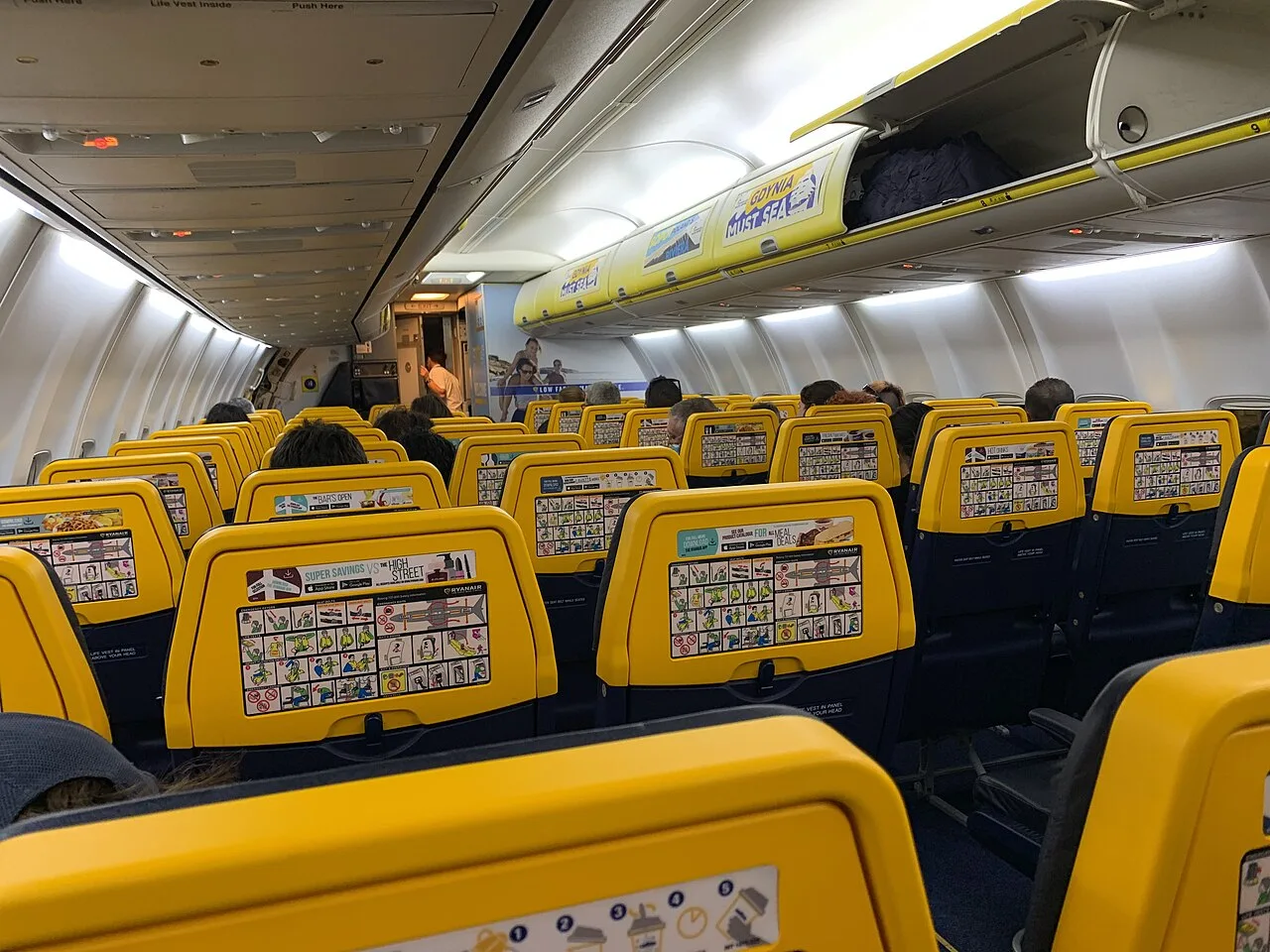
Basic economy isn't a single standardized product. Budget carriers like Spirit, Frontier, Ryanair, and Wizz Air essentially sell everyone a basic-economy-style fare by default, unbundling seat selection and carry-ons as paid add-ons.
Basic economy isn't a single standardized product. Budget carriers like Spirit, Frontier, Ryanair, and Wizz Air essentially sell everyone a basic-economy-style fare by default, unbundling seat selection and carry-ons as paid add-ons.
Full-service airlines use basic economy differently: a deliberately unattractive option meant to nudge most travelers toward the standard fare one tier up. The price difference is often smaller than the restrictions suggest — sometimes only $20-50 — which changes the math on whether booking it is worth it.
When Basic Economy Is a Smart Choice
Basic economy makes the most sense for short domestic flights where seat assignment barely matters, solo travelers who don't need to coordinate seating, and trips where your plans are locked in. If you're flying with just a personal item, you sidestep most of the downsides entirely.
Basic economy makes the most sense for short domestic flights where seat assignment barely matters, solo travelers who don't need to coordinate seating, and trips where your plans are locked in. If you're flying with just a personal item, you sidestep most of the downsides entirely.
It's also reasonable if you already hold elite status or a co-branded credit card that restores some privileges, since several airlines still let elites select seats or board earlier even on a basic economy fare.
When to Avoid It
Skip basic economy if you're traveling with family and need guaranteed adjacent seats — airlines don't promise to seat basic economy passengers together. It's also a bad fit for connecting itineraries, since a missed connection is much harder to resolve on a ticket that can't be modified.
Skip basic economy if you're traveling with family and need guaranteed adjacent seats — airlines don't promise to seat basic economy passengers together. It's also a bad fit for connecting itineraries, since a missed connection is much harder to resolve on a ticket that can't be modified.
Avoid it too if you're chasing elite-qualifying credit (some airlines award less on basic economy fares), or if you want a specific seat type, since those are typically blocked from selection until check-in, if at all.
How to Beat Basic Economy's Restrictions
The most reliable workaround is elite status: mid-tier and higher elites on most airlines get seat selection and priority boarding restored even on a basic economy fare, because loyalty benefits attach to your status rather than the fare class.
The most reliable workaround is elite status: mid-tier and higher elites on most airlines get seat selection and priority boarding restored even on a basic economy fare, because loyalty benefits attach to your status rather than the fare class.
Beyond status, the simple move is booking basic economy only when you can live with its worst case — a middle seat, last boarding, no changes — and paying extra for standard economy the moment other people, connections, or flexibility are involved.